
Your Ultimate Guide to Cybersecurity Frameworks and Standards
In today’s digital-first world, cybersecurity is non-negotiable. From protecting sensitive data to ensuring business continuity, implementing the right cybersecurity framework or standard can mean the difference between thriving and surviving in a landscape filled with evolving threats.
But with so many frameworks and standards out there—ISO 27001, NIST, PCI DSS, and more—it can be overwhelming to figure out which one best suits your organization’s needs. This guide breaks it all down, helping you navigate the similarities, differences, and benefits of the top cybersecurity frameworks and standards.
Why Do Cybersecurity Frameworks and Standards Matter?
Cybersecurity frameworks and standards are blueprints for protecting your organization from threats. They provide clear guidelines to manage risks, secure sensitive information, and comply with industry regulations. By adopting the right framework or standard, you’re not just protecting your data—you’re building trust with customers, partners, and stakeholders.
Frameworks vs. Standards: What’s the Difference?
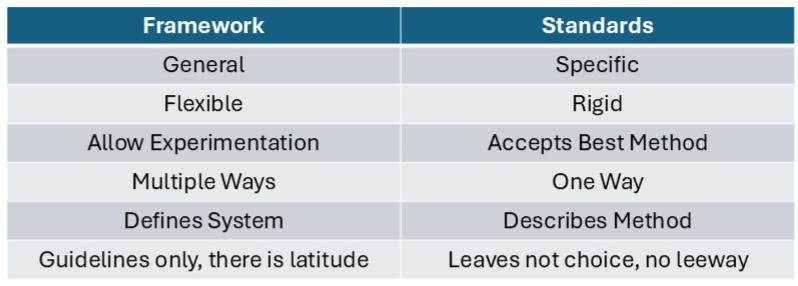
Although the terms "frameworks" and "standards" are often used interchangeably, they serve distinct purposes:
Cybersecurity Frameworks
- Purpose: Frameworks are flexible, high-level guides designed to help organizations improve their security posture. They offer principles, best practices, and processes but don’t specify detailed technical requirements.
- Examples:
- NIST Cybersecurity Framework (CSF)
- CIS Controls
- Zero Trust Architecture
- Key Features:
- Emphasize adaptability across industries
- Allow customization based on organizational needs
- Serve as roadmaps for building a robust cybersecurity strategy
Cybersecurity Standards
- Purpose: Standards are specific, measurable requirements that organizations must meet. They are often tied to certifications or compliance obligations.
- Examples:
- ISO 27001
- PCI DSS
- HIPAA Security Rule
- Key Features:
- Include detailed technical and operational requirements
- Focus on achieving certification or compliance
- Often industry- or region-specific
Key Difference in Application:
- Frameworks are "guidelines" you can adapt, while standards are "rules" you must follow to achieve compliance or certification. For example, NIST CSF provides a flexible structure for managing cybersecurity risks, whereas ISO 27001 outlines specific requirements for creating an Information Security Management System (ISMS).

Meet the Top Cybersecurity Frameworks and Standards
Here’s a look at the most widely used cybersecurity frameworks and standards, what makes them unique, and why they matter:
1. ISO 27001: The Global Standard
- Who it’s for: Industries like finance, IT, and healthcare
- Why it matters: ISO 27001 sets the standard for building a robust ISMS. It’s ideal for organizations seeking global recognition and certification.
- Key benefits: Globally recognized, scalable, comprehensive
- Challenges: Time-consuming certification process
2. NIST Cybersecurity Framework (CSF): Flexible and User-Friendly
- Who it’s for: Critical infrastructure sectors (energy, transportation, healthcare)
- Why it matters: Designed by the National Institute of Standards and Technology (NIST), this framework is highly adaptable and helps organizations of all sizes strengthen their security posture.
- Key benefits: Easy to adopt, scalable across industries
- Challenges: Voluntary; no certification
3. HIPAA: Healthcare-Specific Protection
- Who it’s for: Healthcare providers and related organizations
- Why it matters: HIPAA ensures patient data is protected with specific rules and guidelines, making it crucial for healthcare compliance.
- Key benefits: Clear regulations for safeguarding data
- Challenges: Severe penalties for non-compliance
4. PCI DSS: Payment Security
- Who it’s for: Merchants and payment processors
- Why it matters: If your business handles payment card transactions, PCI DSS is a must. It’s designed to protect cardholder data from breaches.
- Key benefits: Improves transaction security
- Challenges: Complex and resource-intensive for smaller businesses
5. GDPR: Data Privacy Leader
- Who it’s for: Organizations handling EU citizens’ data
- Why it matters: GDPR gives individuals greater control over their personal data, making it one of the strictest and most influential privacy standards.
- Key benefits: Strong global privacy standards
- Challenges: Compliance can be difficult, especially for global organizations
6. SOC 2: Trust in SaaS and Cloud Providers
- Who it’s for: SaaS and cloud service providers
- Why it matters: SOC 2 certification ensures that service providers meet high standards for security, confidentiality, and availability.
- Key benefits: Enhances customer trust in cloud services
- Challenges: Requires thorough preparation and audits
What Do These Frameworks and Standards Have in Common?
Despite their differences, most frameworks and standards share these core principles:
- Risk Management: Frameworks like NIST and ISO 27001 prioritize identifying and mitigating risks.
- Compliance: Standards such as HIPAA and GDPR emphasize adherence to legal requirements.
- Continuous Improvement: Effective frameworks and standards require ongoing monitoring and updates to adapt to new threats.

The Future of Cybersecurity Frameworks and Standards
As cyber threats become increasingly complex, the future will demand more robust, dynamic, and inclusive approaches to cybersecurity frameworks and standards. Key trends include:
- AI-Driven Security: Integration of artificial intelligence and machine learning for proactive threat detection and response.
- Global Harmonization: Greater alignment between international standards like ISO 27001 and region-specific regulations such as GDPR to simplify compliance.
- Cloud and IoT Security: New guidelines addressing the security challenges posed by cloud services and IoT devices.
- Zero Trust Models: Enhanced adoption of zero trust principles across frameworks to minimize the risk of insider and external threats.
- Sustainability in Cybersecurity: Incorporation of environmentally friendly practices in cybersecurity strategies to align with global sustainability goals.
By staying ahead of these trends, organizations can strengthen their resilience and ensure long-term security.
How to Choose the Right Framework or Standard
Here are three steps to help you pick the best cybersecurity framework or standard for your organization:
- Know Your Industry: Choose frameworks that align with your sector (e.g., PCI DSS for retail, HIPAA for healthcare).
- Evaluate Your Resources: Consider your budget, expertise, and infrastructure.
- Think Long-Term: Opt for frameworks or standards that can grow and adapt with your organization’s needs.
Final Thoughts
No single framework is perfect for every organization. The key is understanding your unique needs and selecting the framework—or combination of frameworks—that aligns with your goals. By implementing the right cybersecurity standards, you’re not just protecting data—you’re safeguarding your reputation, fostering trust, and paving the way for a secure future.
Ready to get started? Explore your options, prioritize your security needs, and take the first step toward a stronger cybersecurity posture today.