
Over the past fifty years, disruptive technologies have fundamentally reshaped our world, redefining economies, industries, social structures, and even the way we think. By challenging the status quo and creating new markets, these innovations have consistently pushed society forward, solving complex problems, improving quality of life, and accelerating human progress.
The Digital Revolution: Microprocessors and Personal Computing
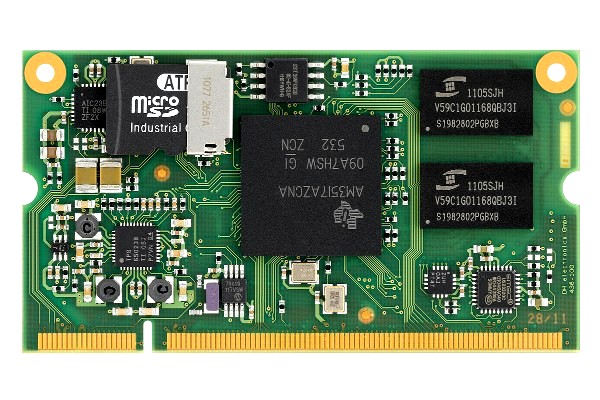
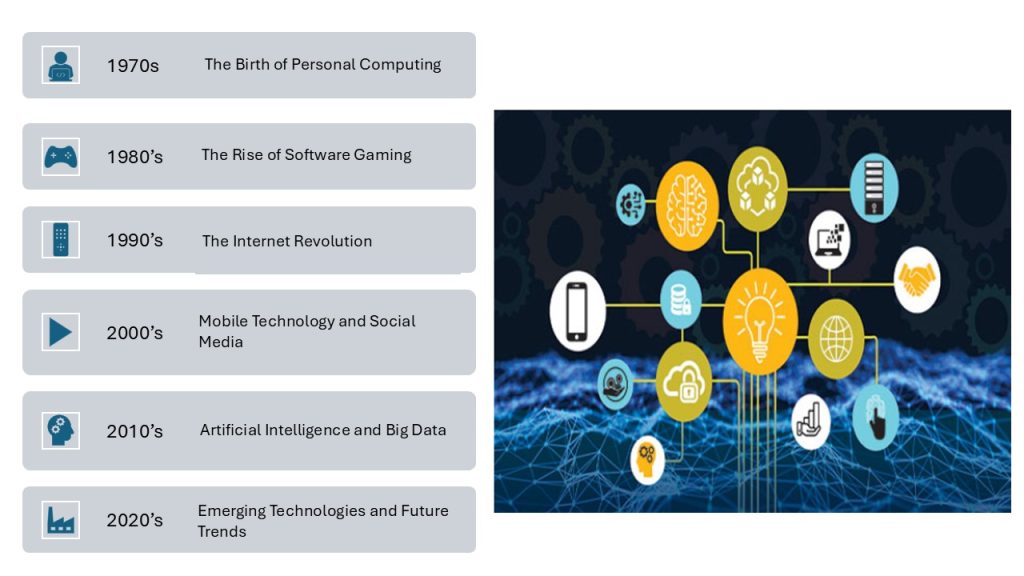
The 1970s saw the rise of microprocessors, marking the birth of the digital age. Personal computers (PCs) transformed computing from a specialized, enterprise-only activity into a tool for individuals and small businesses. Companies like Apple, IBM, and Microsoft became household names, empowering people with access to software that changed how we work, communicate, and process information.
The PC era laid the foundation for global productivity increases, democratized information access, and enabled the rapid digitization of industries ranging from finance to healthcare. It was the first major step in connecting people worldwide.
The Internet and Connectivity: A Truly Global Society
Perhaps no technology has been as disruptive—or transformative—as the Internet. Commercialized in the 1990s, the Internet redefined the global economy and society. It became the backbone for everything from e-commerce to education, entertainment, and social interaction.
The rise of search engines, email, cloud computing, and social media magnified the Internet's impact. Platforms like Google, Facebook, and Amazon emerged, changing how we connect, learn, and consume. Geographic barriers crumbled, creating a hyper-connected global society where knowledge, goods, and services became accessible on demand.
Mobile and Wireless Technologies: Computing on the Go
The rise of smartphones in the 2000s—driven by the iPhone and Android ecosystems—further accelerated technological disruption. Mobile technologies untethered society from fixed locations, bringing computing power to our pockets. Combined with wireless broadband and 4G/5G networks, mobile devices empowered new industries like ride-sharing, social media influencers, and on-demand services such as streaming and gig work.
This mobile revolution transformed how we live, work, and socialize, enabling remote work, virtual communities, and new forms of entertainment. It also broadened global participation in the digital economy, particularly in developing regions where mobile access leapfrogged traditional infrastructure.
Artificial Intelligence and Automation: Shaping the Future of Work
Over the past two decades, advances in artificial intelligence (AI), machine learning, and robotics have started reshaping industries at an unprecedented scale. AI algorithms now assist in everything from medical diagnostics to financial trading, logistics, and customer service.
Automation and AI-powered systems increase productivity, reduce human error, and make decision-making more efficient. They’re transforming healthcare, transportation, manufacturing, and even creative industries, pushing society toward an era where human-machine collaboration drives innovation.
Renewable Energy and Climate Tech: Powering a Sustainable Future
As global awareness of climate change grew, renewable energy technologies emerged as key disruptors. Innovations in solar, wind, battery storage, and electric vehicles (EVs) have begun to decouple economic growth from carbon emissions.
Tesla’s rise symbolizes the disruptive power of clean technology, while global investment in renewables spurred job creation and technological innovation. These technologies are not just altering energy markets—they are driving the global conversation around sustainability and resilience.
Biotechnology and Healthcare Innovation: Extending and Enhancing Life
The biotechnology revolution, accelerated by the Human Genome Project in the early 2000s, brought personalized medicine, gene editing (CRISPR), and mRNA vaccines into mainstream healthcare. The rapid development of COVID-19 vaccines demonstrated biotechnology’s power to solve global crises.
Wearable health devices, telemedicine, and AI-driven diagnostics are pushing healthcare toward more proactive, personalized, and accessible models, improving life expectancy and quality of care worldwide.
Blockchain and Decentralization: Rethinking Trust and Value
Blockchain technology and cryptocurrencies represent another wave of disruption, challenging traditional financial systems and rethinking how trust is established online. By enabling decentralized finance (DeFi), smart contracts, and token economies, blockchain is pushing society toward new economic models that reduce reliance on centralized intermediaries.
While still in its early phases, this technology has the potential to disrupt banking, supply chains, governance, and digital identity management.
A Continuous Wave of Disruption
Over the last 50 years, each wave of disruptive technology has pushed society forward by solving challenges, creating new markets, and transforming how we live and work. From personal computing and the internet to AI, clean energy, and biotechnology, these innovations have accelerated the pace of human progress.
The common thread across these disruptions is their democratizing effect—making powerful tools, information, and opportunities available to more people, across more places, than ever before. As we stand on the brink of the next technological frontier—quantum computing, space exploration, and further AI advances—the role of disruption in shaping a better, more connected, and sustainable world remains as critical as ever.