
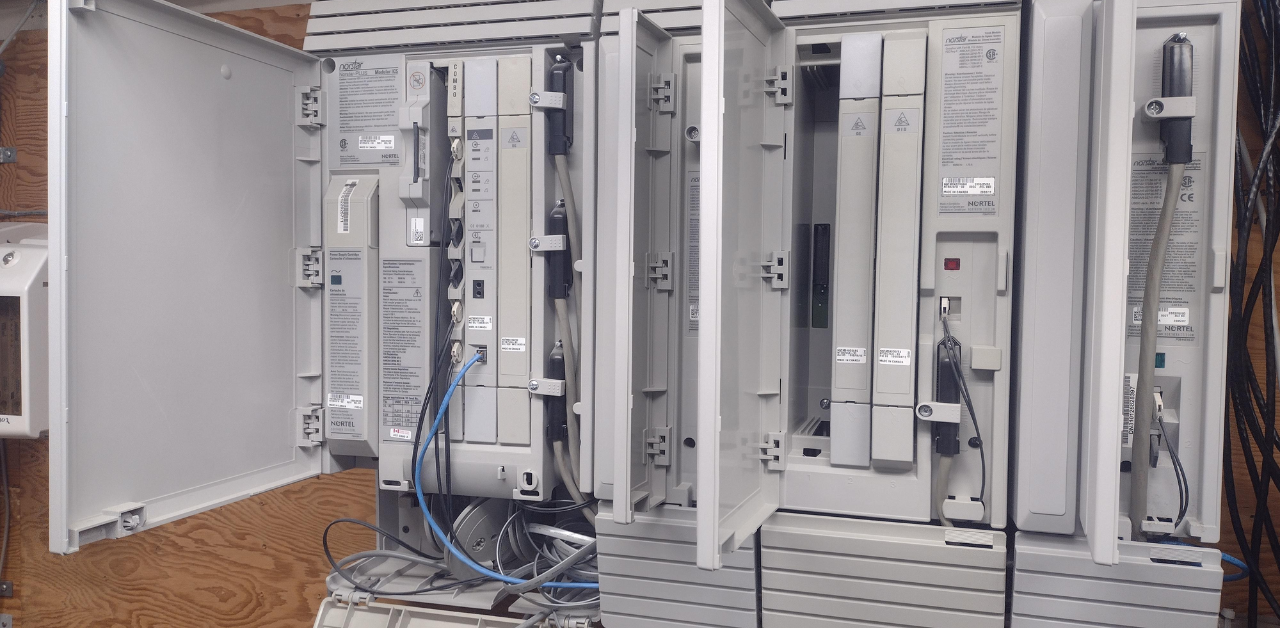
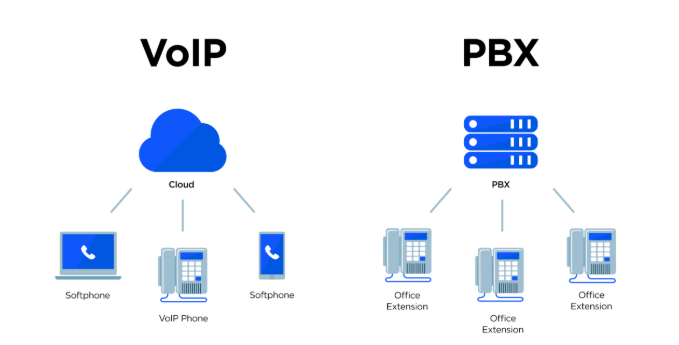
Let’s be honest—if your business is still clinging to a legacy PBX phone system, you’re not alone. For years, those physical boxes in the telecom closet did exactly what we needed: routed calls, connected departments, and handled voicemail. But times have changed.
We don’t run businesses the way we did a decade ago, so why are we still communicating like we’re stuck in 2005?
Whether you’re in IT, operations, or the C-suite, here’s the truth: making the switch to a cloud-based VoIP system isn’t just a tech decision—it’s a business imperative. And if you’re the one tasked with making the case for change, it’s time to talk value, not just features.

Legacy PBX: Familiar, But Fading Fast
There’s comfort in familiarity, and many PBX systems still function. But functioning isn’t the same as performing.
PBX systems are:
- Expensive to maintain (those hardware support costs don’t disappear)
- Rigid when it comes to scaling (every new line feels like a mini project)
- Inconvenient for remote work or mobile teams (unless you enjoy patchwork workarounds)
- Vulnerable to obsolescence (good luck finding a tech who still specializes in your 12-20 year-old system)
If you’ve noticed more downtime, fewer support options, and higher service fees—those aren’t flukes. They’re signs your system is becoming more of a liability than an asset.

Cloud-Based VoIP: Built for Business Now
Cloud VoIP isn’t just about making phone calls over the internet—it’s about enabling flexibility, resilience, and real-time connectivity for teams that expect it.
Here’s what you’re really getting:
- Lower Costs, Predictable Budgeting
No hardware closets, no long-distance fees, no surprise maintenance costs. Just a monthly fee that scales with your business.
- Work from Anywhere, Without Workarounds
Your team can make and take calls from their laptop or mobile device—whether they’re in the office, at home, or halfway across the globe.

Scale Without the Headaches
Hiring five new people next month? Add them to the system in minutes. No new wires, no technician visits, no delays.
- Smart Features That Work Hard for You
Auto-attendants, call analytics, voicemail-to-email, CRM integrations—the kinds of tools that make your customer experience seamless and your internal teams more efficient.
- Business Continuity Built In
Outages, natural disasters, or just a faulty wire in the server room? With cloud VoIP, you’re still reachable. Calls reroute automatically, keeping you online when it matters most.
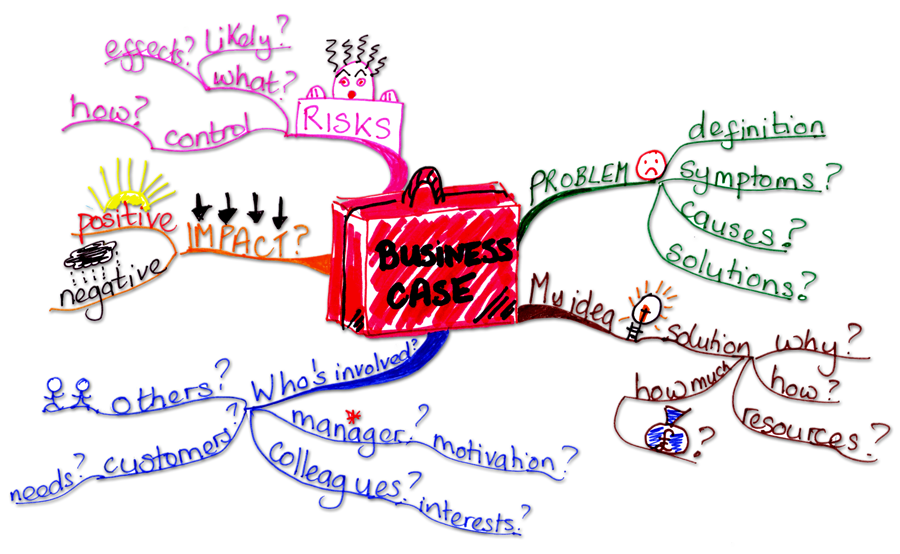
Making the Case to Leadership: Speak Their Language
When you’re ready to pitch the upgrade, avoid going too deep into technical specs. Focus instead on how cloud VoIP solves real business problems:
- "We’ll save 40–60% annually on voice communications."
- "We’ll finally support remote and hybrid workers without a clunky workaround."
- "We’ll improve customer responsiveness with faster call routing and fewer dropped calls."
- "We’ll reduce IT hours spent on outdated tech and reallocate to more strategic projects."
That’s what leaders want to hear: efficiency, impact, and scalability.
And if your leadership is still hesitant, consider starting small. Run a pilot in one department. Let the results speak for themselves.
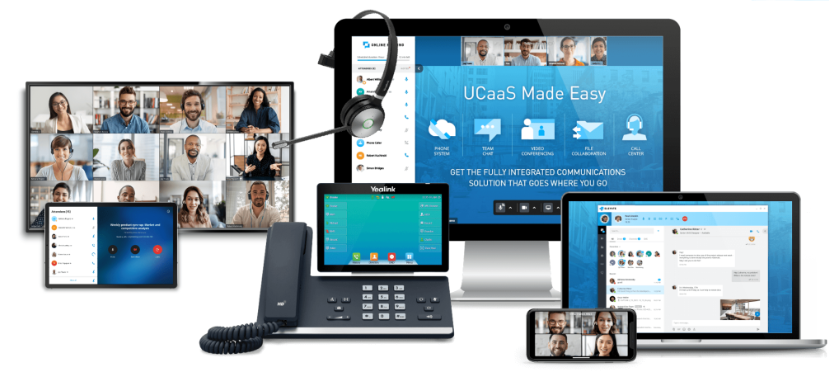
Your Phone System Shouldn't Hold You Back
Technology should empower your business, not slow it down. PBX systems had their day—but today’s business needs demand more flexibility, less friction, and better integration.
So if you’re still waiting for a “perfect time” to upgrade, consider this: every month you stick with a legacy system is a missed opportunity to streamline, save, and serve better.
The future of communication is already here. It’s in the cloud. And it’s time your phone system caught up.
Ready to build the business case or need help scoping out your migration? Let’s start the conversation— because future-ready communication starts with a single decision.