
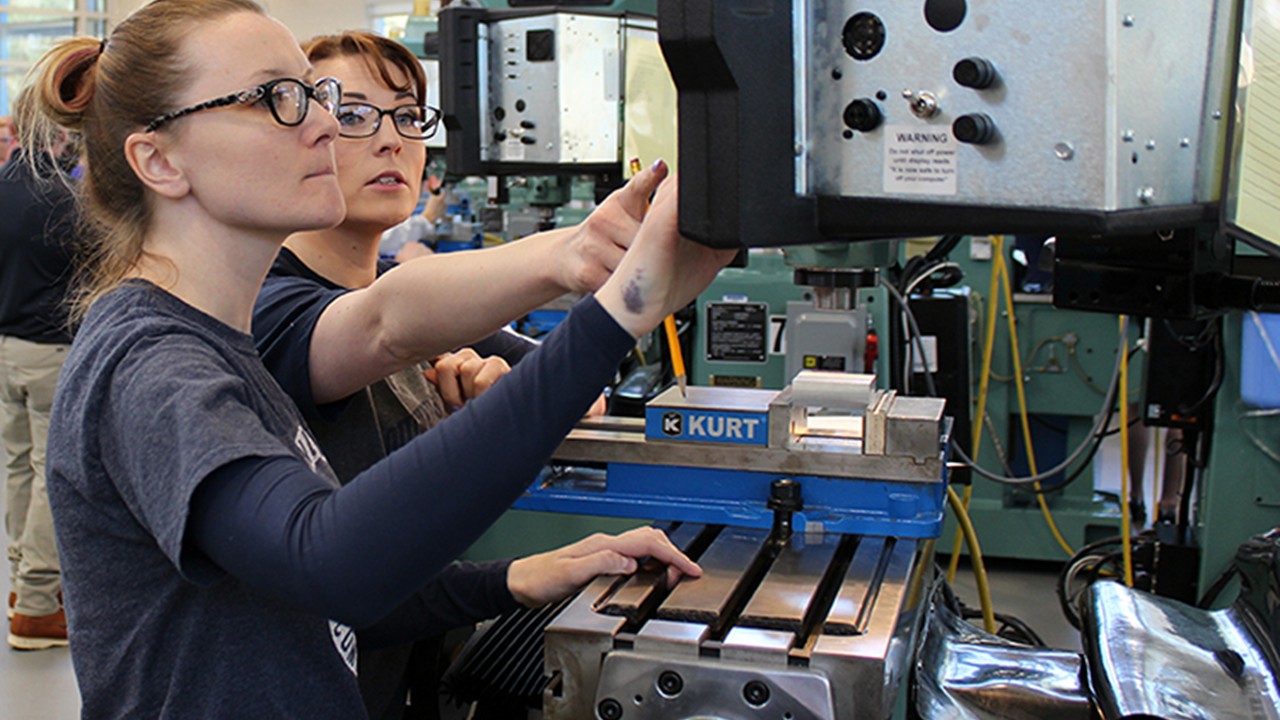
Automation is no longer a futuristic concept—it’s here, transforming how field operations function in transportation, IT, and telecommunications. As part of the Fourth Industrial Revolution, automation is reshaping industries through AI, IoT, robotics, and data-driven decision-making. From predictive maintenance to AI-powered optimization, automation is making processes faster, safer, and more efficient. But what does that mean for the people on the ground? This shift isn't about replacing workers; it's about reshaping roles and opening new opportunities. Let’s explore how automation is changing field operations and what professionals can do to stay ahead.
How Automation is Changing Field Operations
- Predictive Maintenance
- Instead of waiting for things to break, IoT sensors and AI detect issues before they become costly problems, reducing downtime and preventing emergency repairs. According to a McKinsey report, predictive maintenance powered by AI can reduce equipment downtime by 30-50% and lower maintenance costs by 10-40%.
- Remote Monitoring & Diagnostics
- Gone are the days of unnecessary site visits. Real-time tracking and AI-assisted diagnostics allow teams to troubleshoot issues remotely, saving time and resources. The global remote monitoring market is expected to grow at a CAGR of 18.4% from 2023 to 2030, driven by advancements in AI and IoT (Grand View Research).
- AI-Powered Decision Making
- AI isn’t just about crunching numbers; it helps optimize dispatching, resource allocation, and troubleshooting, improving efficiency and response times. A study by PwC estimates that AI-driven automation could contribute up to $15.7 trillion to the global economy by 2030, optimizing decision-making across industries.
- Drones & Robotics
- Drones now handle infrastructure inspections, eliminating the need for dangerous climbs. Robots assist with routine maintenance, improving safety and precision. The use of drones for infrastructure inspections can cut costs by 30% and reduce the need for risky manual inspections, improving worker safety (Deloitte).
- Automated Workflows & Compliance
- No more mountains of paperwork. Digital platforms streamline tasks, ensuring compliance and reducing human errors.

What It Means for the Workforce
- New Skill Requirements
- As automation takes over repetitive tasks, workers must develop skills in AI, data analytics, and system management.
- Job Evolution, Not Replacement
- Roles are shifting from manual work to oversight and technical expertise. Field technicians are becoming tech troubleshooters and automation managers.
- Improved Safety & Efficiency
- Dangerous, repetitive tasks are being automated, allowing workers to focus on higher-value, strategic activities.
- Balancing Time and Money
- Automation reduces time spent on routine tasks, allowing workers to take on more complex, higher-paying responsibilities. While some may fear job loss, the shift presents an opportunity for increased earnings through skill development and specialization. With technology handling repetitive labor, professionals can transition into roles that maximize both time efficiency and financial rewards. The World Economic Forum predicts that by 2025, 85 million jobs will be displaced by automation, but 97 million new jobs will be created, highlighting the need for upskilling to move into higher-paying roles.
- The Critical Need for Upskilling & Training
- Continuous learning is key to staying relevant in the workforce. Field employees must adapt by gaining expertise in emerging technologies such as AI, IoT, and data analytics. Companies must actively invest in training programs to equip workers with the necessary skills for these evolving roles. This not only enhances job security but also ensures higher wages and career growth for employees willing to embrace new challenges.
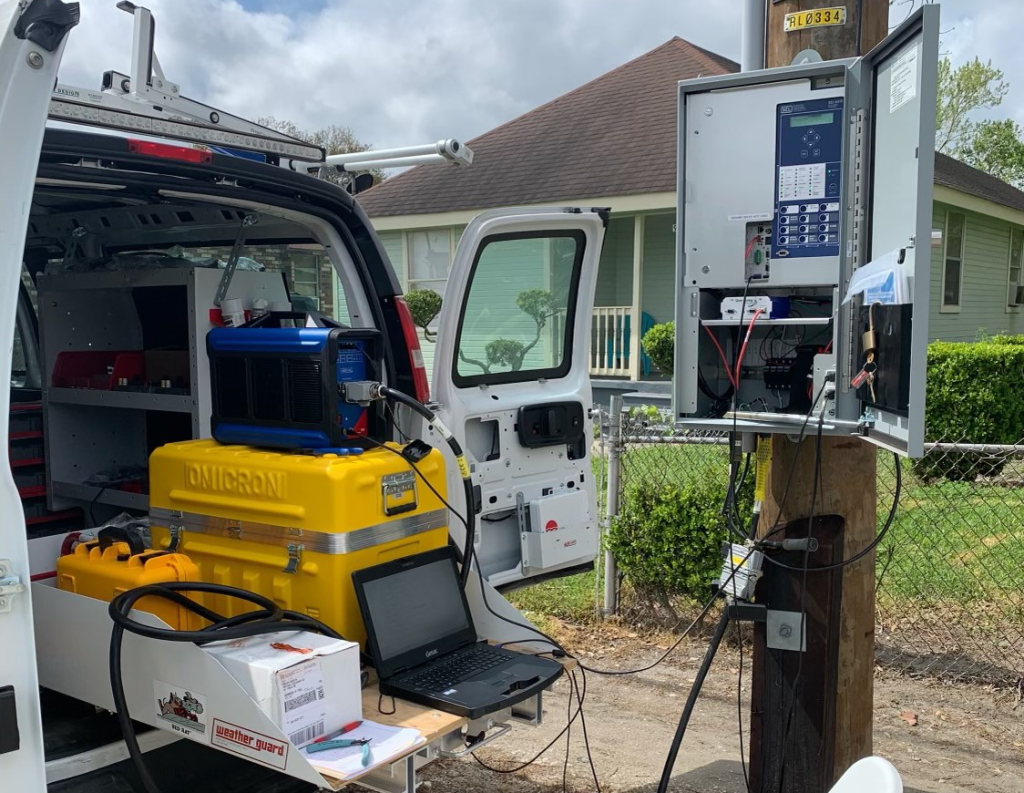
How Companies Can Make Automation a Job Shaper, Not a Job Killer
- Involve Employees in the Process
- Engage workers early in the automation discussion to address concerns and highlight new opportunities.
- Provide Ongoing Training & Upskilling
- Offer training programs that align with automation advancements, ensuring employees are prepared for evolving roles.
- Redefine Roles, Not Eliminate Them
- Instead of cutting jobs, restructure roles to focus on higher-level responsibilities, such as managing automated systems and interpreting data.
- Adopt a Gradual Implementation Approach
- Phased rollouts allow employees time to adapt while companies fine-tune automation strategies.
- Encourage Career Mobility Within the Organization
- Create pathways for employees to transition into new positions where their experience and knowledge remain valuable.
Automation is transforming field operations, but it’s not a job killer; it’s a job shaper. As part of the Fourth Industrial Revolution, automation is integrating AI, robotics, and IoT to redefine efficiency and productivity. Companies that invest in training and strategically integrate automation will not only improve efficiency but also create new opportunities for their workforce. By balancing automation with workforce development, businesses can ensure employees benefit financially while embracing new, time-saving technologies. The future isn’t about machines replacing people; it’s about people and machines working together to build a smarter, safer, and more efficient industry.