

The technology world thrives on innovation, agility, and disruption, but behind every significant digital transformation, there’s another constant: politics.
From competing priorities between IT and business units to turf battles over budgets and recognition, even the most forward-thinking organizations can slip into a Machiavellian culture, one where manipulation, ego, and quiet power plays shape decisions more than collaboration or merit.
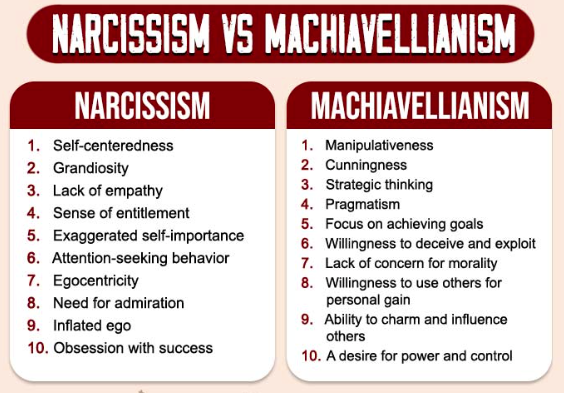
For technology executives, the challenge isn’t just managing systems, it’s managing the system of people. The key is learning how to operate strategically within political environments without compromising ethics, clarity, or influence.
1. Map the Power Dynamics Behind the Org Chart
In tech organizations, authority doesn’t always follow the hierarchy. True power often lives in:
- Influential architects or engineers everyone listens to,
- Veteran project managers who control communication channels,
- Or executives with budgetary leverage but limited technical understanding.
Before executing any major initiative, study how decisions are really made. Who influences the CEO? Who quietly resists new platforms or automation because it threatens their control? Understanding this power map enables you to deploy ideas with precision, rather than encountering resistance.
“In technology leadership, knowing who holds influence is often more important than knowing who holds title.”
2. Emotional Intelligence Is Your Firewall
When tensions rise, over a failed sprint, delayed vendor delivery, or security breach, emotional intelligence becomes your greatest stabilizer.
- Stay calm under scrutiny. Machiavellian actors feed off reaction.
- Respond strategically, not emotionally. A calm “What outcome are we trying to achieve here?” defuses manipulation.
- Control tones in digital communication. Email and chat can amplify misunderstanding, and political players exploit that.
By maintaining composure, you not only protect your credibility but also that of your team’s morale.
In technology cultures where trust drives performance, emotional discipline becomes a form of leadership capital.
3. Build Strategic Alliances Based on Value, Not Visibility
In cross-functional environments, alliances make or break initiatives. The Machiavellian mistake is aligning based on proximity or politics; the smart move is aligning based on mutual value.
- Partner with business leaders who need technology to win, not those who want to control it.
- Build credibility with finance early; they can become unexpected allies.
- Support influential voices quietly, let others take public credit if it protects long-term progress.
Strategic humility often wins more influence than public dominance.
4. Control the Narrative Around Your Initiatives
In a political tech culture, silence can be reinterpreted as weakness or failure.
You must control your narrative proactively.
- Translate technical results into business language.
- Share metrics that tie system performance, uptime, and innovation directly to revenue and efficiency.
- Tell stories that connect tech outcomes to company strategy.
The more clearly you communicate, the harder it becomes for others to distort your work for their agenda.
“If you don’t tell your story, someone else will and they may not tell it kindly.”
5. Lead Ethically, But Think Strategically
You don’t need to out-manipulate manipulators, but you do need to understand how they operate.
This awareness enables you to neutralize political tactics without being drawn into them.
- Set firm boundaries around transparency and accountability.
- Reward collaboration and loyalty quietly but meaningfully.
- Confront misinformation with data, not emotion.
Ethical leadership isn’t a weakness; it’s a signal of strength in a chaotic environment. When people know you’re firm but fair, they’ll bring you the truth faster than they’ll bring it to your competitors.
6. Think Beyond the Moment: Power Shifts, Integrity Endures
Technology organizations evolve constantly, leadership changes, acquisitions happen, and priorities pivot. The leaders who endure are the ones with unshakable reputations for integrity and delivery.
- Document your contributions and outcomes.
- Maintain strong relationships across departments and with vendors.
- Maintain your professional network outside the organization; today’s peer might be tomorrow’s partner or client.
When the political winds shift, and they always do, credibility is the one currency that never depreciates.
The Takeaway
In a Machiavellian tech culture, success isn’t about playing dirty; it’s about playing smarter.
Read the power dynamics. Manage perception with clarity. Keep calm when others chase chaos. And always align strategy with principle.
The most respected technology leaders aren’t just those who deliver innovation; they’re the ones who do it while remaining politically fluent and ethically grounded.
“Technology may evolve, but character and strategy never go out of style.”