
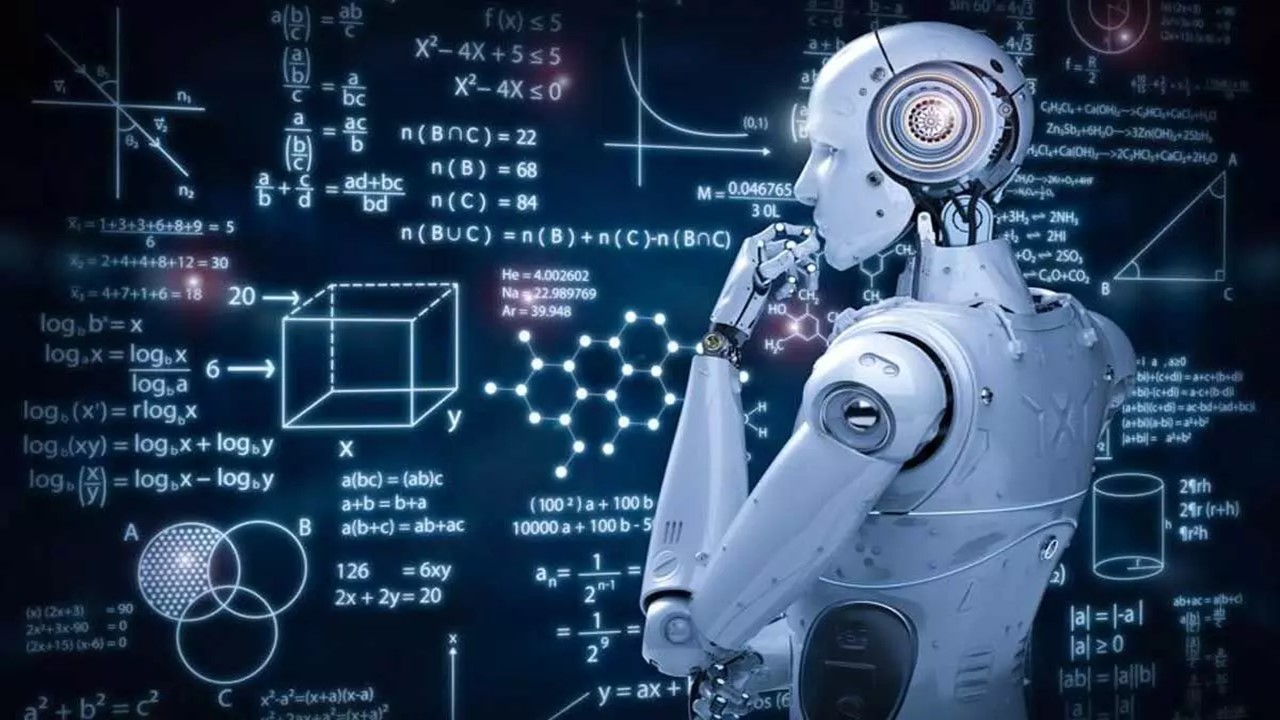
What Exactly Are AI, Machine Learning, Deep Learning, and Data Science?
Artificial Intelligence (AI) has become a part of everyday conversations, but what does it really mean? At its core, AI involves systems designed to mimic human intelligence, allowing machines to perform tasks and improve over time with the data they process. Let’s break it down:
- Machine Learning (ML): This is where AI systems learn from data and patterns to make predictions or decisions—no human intervention required.
- Deep Learning: Think of this as ML on steroids. It uses complex neural networks to handle big, unstructured data, like recognizing faces in photos or understanding speech.
- Data Science: The behind-the-scenes hero of AI. It’s all about gathering, cleaning, and analyzing data to uncover trends and insights that drive AI systems.
Who’s Leading the AI Revolution?
The AI world is buzzing with activity, thanks to big players, small innovators, and global communities:
- Tech Titans: Companies like Google’s DeepMind, Microsoft, IBM, Amazon (AWS), and OpenAI are making giant strides in AI development.
- Startups to Watch: Smaller firms like Hugging Face and DataRobot are focusing on cutting-edge areas like generative AI and automated machine learning (AutoML).
- Open-Source Heroes: Platforms like TensorFlow and PyTorch are empowering developers everywhere to dive into AI and experiment.
What’s the big picture? Generative AI tools like ChatGPT and DALL-E are booming, AI applications are becoming mainstream across industries, and there’s a growing emphasis on keeping AI ethical and transparent.
How AI is Changing Our World
- Smarter Predictions:
- Businesses are using AI to look into the future by analyzing past data.
- Example: Airlines optimizing routes based on weather patterns and booking trends.
- Tailored Experiences:
- From shopping to entertainment, AI personalizes our experiences like never before.
- Example: Netflix recommending the next binge-worthy show just for you.
- Streamlined Operations:
- AI is helping companies work smarter, not harder, by automating tedious tasks.
- Example: Logistics firms finding faster delivery routes to save time and fuel.
Tackling AI’s Ethical Challenges
With great power comes great responsibility, and AI has its share of challenges:
- Fighting Bias:
- AI can reflect the biases in its training data, leading to unfair decisions.
- Example: Hiring tools that inadvertently favor certain demographics.
- Protecting Privacy:
- AI relies on large datasets, raising concerns about how personal information is handled.
- Example: Smart devices that might overstep boundaries in data collection.
- Sharing Accountability:
- When AI makes mistakes, like in self-driving car incidents, who takes the blame?
A Quick Trip Through AI History
- 1956: AI is born at the Dartmouth Conference.
- 1980s: Expert systems bring early AI applications into industries.
- 1997: IBM’s Deep Blue beats chess champion Garry Kasparov.
- 2012: Deep learning takes off with the success of AlexNet.
- 2016: Google’s AlphaGo stuns the world by defeating a Go champion.
- 2020s: Generative AI tools and large language models take center stage.
What’s Next for AI?
The future of AI is filled with possibilities:
- Working Together: AI that complements human creativity and decision-making.
- Clearer Systems: Developing AI that explains its reasoning so users can trust it.
- Everywhere AI: Seamlessly integrating AI into every industry and facet of daily life.
- Inclusive AI: Building systems that benefit everyone and reduce biases.
Sources for Curious Minds
- Russell, S., & Norvig, P. (2021). Artificial Intelligence: A Modern Approach.
- Chollet, F. (2017). Deep Learning with Python.
- Reports from OpenAI, Microsoft, and industry experts (2024).
Wrapping It Up
AI and data science are not just shaping industries—they’re transforming how we live, work, and connect. As we continue to embrace these technologies, the focus must remain on building a future where innovation and ethics go hand in hand. Together, we can unlock AI’s full potential and create a brighter, smarter world for everyone.